
Teaching Assistant
Arizona State University- Teaching assistant for EEE 480 – Feedback Systems in Fall 2026
- Teaching assistant for EEE 304 – Signals and Systems II in Spring 2025
- Grader for EEE 511 – Artificial Neural Computation in Fall 2025
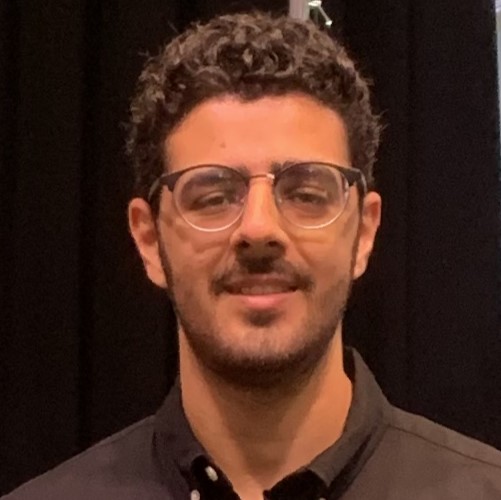
I am a PhD student in the School of Electrical, Computer and Energy Engineering at Arizona State University, where I work under the supervision of Prof. Jennie Si.
My research focuses on bridging the gap between classical control and reinforcement learning, with broader interests in control, reinforcement learning, real-time embedded systems, and optimization. I am particularly interested in applying these methods to challenging problems in aerospace and motorsports.
Prior to joining ASU, I spent a year as a placement student with the Oracle Red Bull Racing Formula 1 Team, working in the Energy Recovery System Control group. At ASU, I was also part of the Data Acquisition team for Sun Devil Motorsports, ASU's Formula SAE team. Alongside my research, I am currently a teaching assistant for EEE 480 – Feedback Systems and have previously served as a teaching assistant for EEE 304 – Signals and Systems II and as a grader for EEE 511 – Artificial Neural Computation.



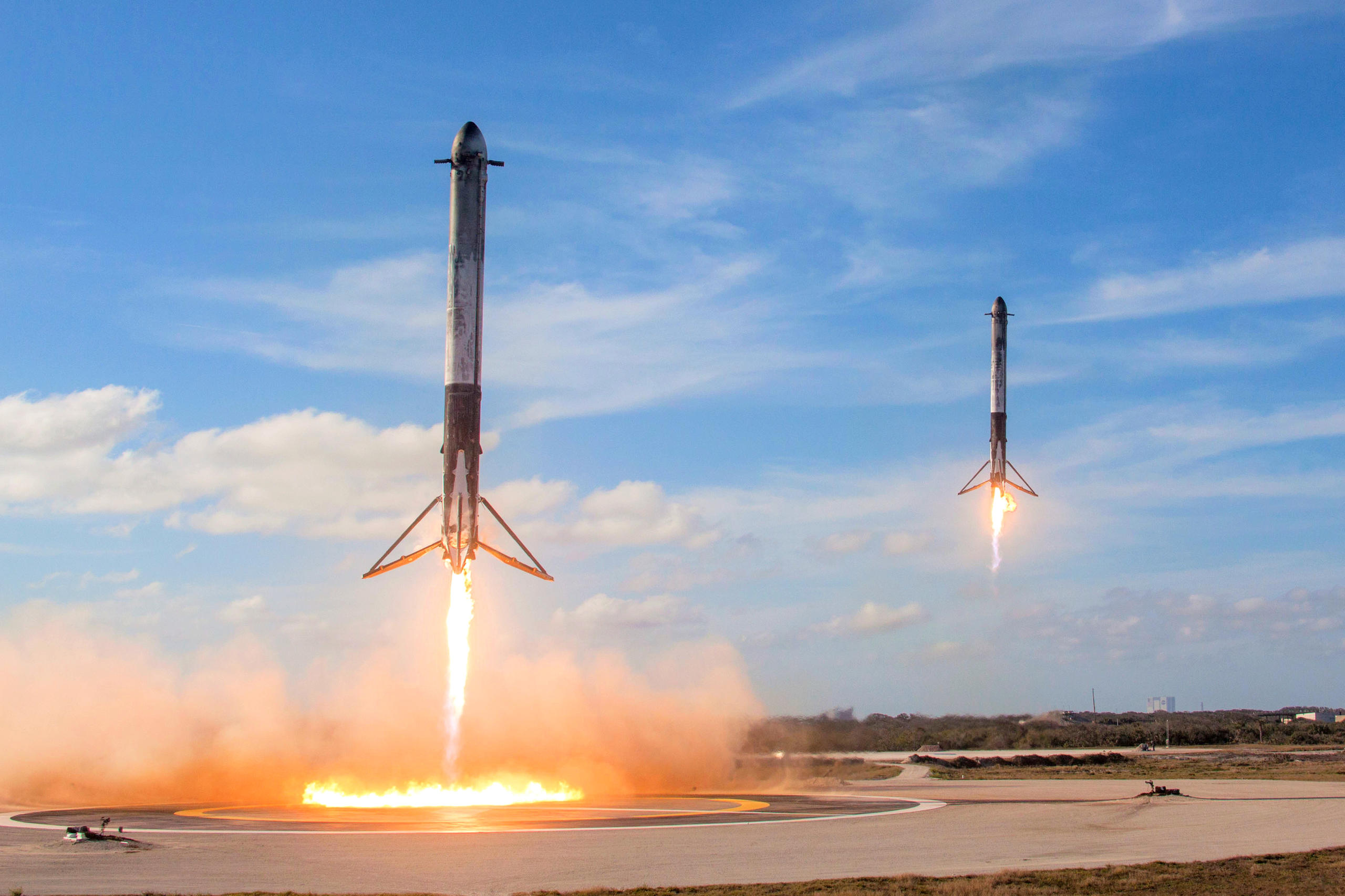
Developed a hierarchical guidance framework for the fuel-optimal landing of a reusable rocket. A nonlinear trajectory optimization problem was solved using successive convexification to generate a fuel-optimal reference trajectory, which was then tracked in real time using Model Predictive Control. The framework was implemented in Python with CVXPY and validated in simulation.
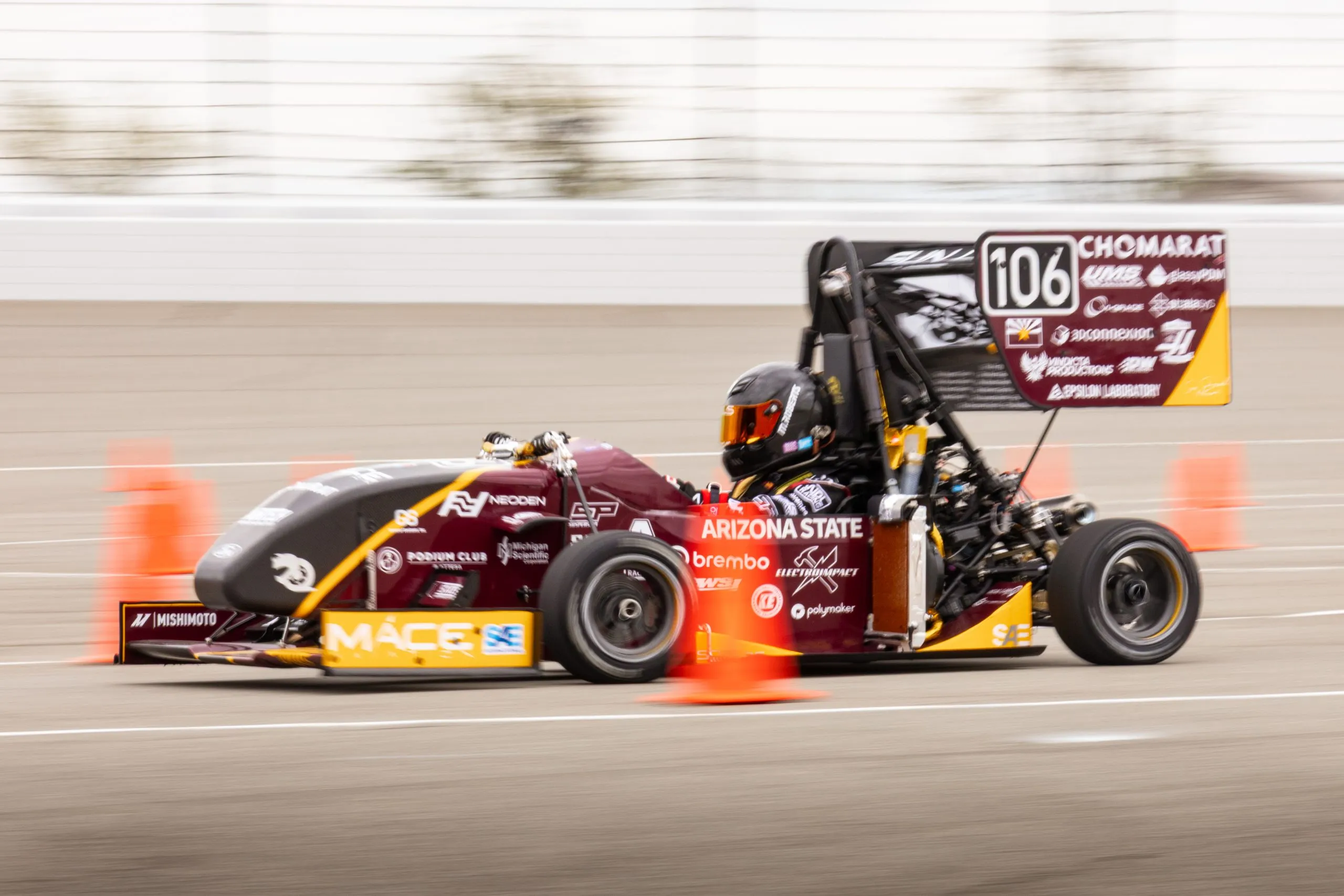
Developed a GPS-aided Inertial Navigation System for vehicle state estimation, designed as a foundation for the ASU Formula SAE car. The system fuses high-rate IMU measurements with lower-rate GPS data asynchronously, using a bank of Linear and Extended Kalman Filters to estimate vehicle position, velocity, acceleration, heading, and gyroscope bias.
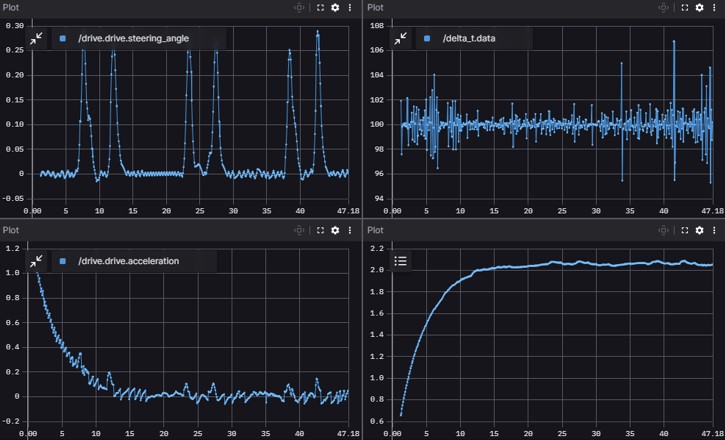
Developed a Model Predictive Controller for autonomous racing with an F1TENTH RC car. The controller follows a reference racing line to navigate the track, with the control algorithm implemented as a ROS 2 node and tested in the F1TENTH Gym simulation environment. The project also integrates a Docker-based ROS 2 simulation stack and data logging using Foxglove.
Arizona State University
Arizona State University
Lebanese American University